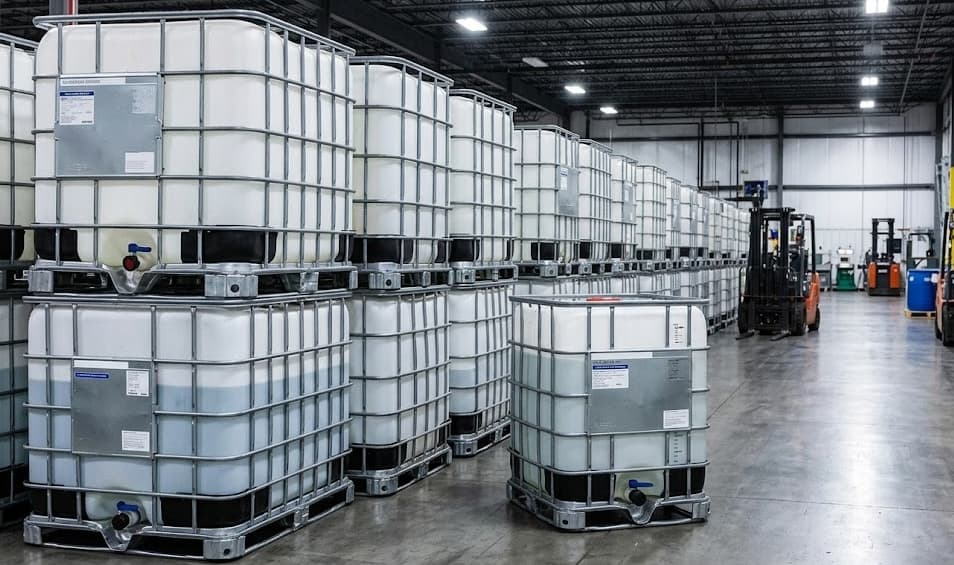
Repurposed IBC Tote Solutions
Why throw away what can be transformed? Give IBC totes a creative second life in gardens, farms, wellness setups, and sustainable living projects.
Get a Free Quote
The Ultimate Upcycling Material
IBC totes are built to contain 275+ gallons of industrial liquids, which makes them extraordinarily versatile for repurposing. The HDPE bottle is chemically resistant, UV-stabilized, and virtually indestructible. The galvanized steel cage provides structural support that lasts decades. And the standardized dimensions make them easy to plan around.
We supply Grade B and C totes at the lowest prices specifically for repurposing customers. These totes have cosmetic wear that makes them unsuitable for industrial resale but are perfectly functional for creative second-life applications. Bulk pricing starts at just 10 units.
Every tote you repurpose is one less container in a landfill. With HDPE taking 400+ years to decompose, giving totes a second life is one of the most impactful sustainability choices you can make.
400+
Years to Decompose in Landfill
55 ft³
Landfill Space Saved per Tote
$30-70
Grade C Tote Pricing
8+
Creative Uses
Tools You Will Need
Most IBC repurposing projects use basic tools you likely already own. Here is the essential toolkit for the most common modifications, plus specialized tools for advanced projects.
Cutting Tools
- Reciprocating saw (most versatile for cutting HDPE and steel cage)
- Jigsaw with fine-tooth blade (for precise HDPE cuts)
- Angle grinder with cut-off disc (for steel cage modification)
- Hole saw kit (3/4" to 3" for plumbing penetrations)
- Utility knife (for trimming and scoring)
Assembly & Fastening
- Drill/driver with assorted bits
- Adjustable wrench set
- PTFE tape for threaded connections
- Stainless steel screws and bolts
- Zip ties and hose clamps
Safety Equipment
- Safety glasses (mandatory when cutting)
- Heavy-duty work gloves
- Hearing protection (for power tools)
- Dust mask (when sanding HDPE)
- Steel-toe boots (recommended for heavy tote handling)
Plumbing Supplies
- PVC pipe and fittings (1/2" to 2")
- Garden hose adapters and connectors
- Bulkhead fittings for waterproof penetrations
- Ball valves for flow control
- Silicone sealant (food-grade for water/aquaponics projects)
Finishing Materials
- Sandpaper (80 and 120 grit for edge smoothing)
- Rubber edge trim or pool noodle (for cut edge capping)
- Exterior paint or UV-blocking wrap
- Foam board insulation (for cold plunge or winter projects)
- Landscape fabric (for garden beds)
Specialized (Project-Specific)
- Aquarium pump and air stones (aquaponics)
- Chiller unit (cold plunge)
- Float valve (livestock trough auto-refill)
- Gutter diverter kit (rainwater collection)
- Biogas pressure relief valve (digester projects)
Creative Repurposing Ideas
From practical homestead solutions to cutting-edge wellness trends, IBC totes adapt to an incredible range of second-life applications. Each project includes safety considerations, tools needed, and a cost comparison against buying purpose-built equipment.
Rainwater Collection Systems
Grade B or CTurn IBC totes into high-capacity rainwater collection tanks. A single 275-gallon tote captures enough rain from one moderate storm to irrigate a large garden for weeks. Position under downspouts with a gutter diverter, and connect multiple totes with gravity-fed piping for even greater capacity.
Environmental Impact
Reduces municipal water demand and diverts stormwater from overburdened drainage systems. A single tote can save 8,000+ gallons of tap water annually.
Cost Comparison
A purpose-built 250-gallon rainwater tank costs $300-$800. An IBC tote setup achieves the same capacity for $50-$120 total including all fittings and modifications.
Safety Considerations
- Do NOT use for drinking water unless the tote is certified food-grade and properly treated
- Secure the tote on a level, stable surface — when full, a 275-gallon tote weighs over 2,200 lbs
- Cover the inlet to prevent children or animals from accessing the water
- In freezing climates, drain totes below the frost line to prevent cracking
- Check local regulations regarding rainwater collection — some jurisdictions restrict or regulate it
Pro Tips
- Paint or wrap the tote to block sunlight and prevent algae growth
- Use a food-grade tote if water will contact edible plants
- Install a mesh screen over the inlet to filter debris
- Add a first-flush diverter to discard initial dirty runoff
- Elevate on blocks for gravity-fed drip irrigation
Tools & Materials Needed
- Drill with hole saw attachment (for inlet and overflow)
- Gutter diverter kit
- PVC pipe and fittings (for overflow and plumbing)
- Mesh screen or filter
- Concrete blocks or lumber for elevation
- Paint or UV wrap material
Raised Garden Beds
Grade CCut an IBC tote in half horizontally to create two raised garden beds with built-in steel cage support. The 20+ inch soil depth accommodates root vegetables, tomatoes, peppers, and deep-rooted herbs. The pallet base provides natural elevation for easier gardening and improved drainage.
Environmental Impact
Diverts plastic from landfill while enabling local food production. Raised beds reduce water usage by up to 50% compared to in-ground gardens.
Cost Comparison
Commercial raised garden beds of similar size cost $150-$400 each. Two IBC-based raised beds from a single Grade C tote cost $30-$70 total, plus $20-$40 in soil.
Safety Considerations
- Use food-grade totes if growing edible plants — non-food-grade totes may have residual chemical contamination
- Sand or cap all cut edges to prevent injury — cut HDPE can be extremely sharp
- Ensure drainage holes prevent waterlogging, which can attract mosquitoes
- The steel cage may have sharp edges after cutting — wear gloves when working around it
- Position on level ground to prevent tipping when filled with soil and water
Pro Tips
- Drill drainage holes in the bottom of each half
- Line with landscape fabric to prevent soil washout
- Use the steel cage as a trellis for climbing plants
- Add a drip irrigation line connected to a rainwater tote
- Stack halves vertically for a tiered garden system
Tools & Materials Needed
- Reciprocating saw or jigsaw with fine-tooth blade
- Drill with 1/2" bit (for drainage holes)
- Sandpaper or edge trim (for cut edges)
- Landscape fabric
- Garden soil and compost mix
- Drip irrigation kit (optional)
Cold Plunge Pools
Grade B or CThe wellness trend that meets industrial recycling. A topped IBC tote makes a perfect single-person cold plunge pool. The 275-gallon capacity provides enough volume for full-body immersion, and the steel cage ensures structural integrity. We prepare totes with smooth-cut edges and optional insulation wraps.
Environmental Impact
Repurposes an industrial container into wellness equipment at a fraction of the cost of commercial cold plunge systems ($100-200 vs. $3,000-10,000).
Cost Comparison
Commercial cold plunge systems cost $3,000-$10,000. A DIY IBC cold plunge with chiller, pump, and filtration runs $200-$500 total — a savings of 90% or more.
Safety Considerations
- ALWAYS use a food-grade tote — non-food-grade totes may have chemical residue that contacts skin
- Sand or professionally cap ALL cut edges — cut HDPE edges are razor-sharp and can cause serious cuts
- Do not leave children unattended around the plunge pool — drowning risk applies to any open water container
- Treat water with bromine or a UV sanitizer to prevent bacterial growth
- Limit cold plunge sessions to 2-5 minutes — prolonged cold exposure can cause hypothermia
- Consult your physician before cold water immersion if you have cardiovascular conditions
Pro Tips
- Sand or cap all cut edges for safety
- Add a chiller unit and small pump for temperature control
- Insulate the exterior with foam board to maintain cold temperatures
- Install a simple filtration system to keep water clean
- Use food-grade totes for direct skin contact
Tools & Materials Needed
- Reciprocating saw or angle grinder (for cutting the top)
- Sandpaper (120 grit) or rubber edge trim
- Foam board insulation (2" thick minimum)
- Small submersible pump
- Chiller unit (aquarium-style or purpose-built)
- Basic filtration system
- Waterproof thermometer
Compost Bins
Grade CThe enclosed design of an IBC tote makes it an excellent composting vessel. The large volume supports hot composting, which breaks down materials faster than passive methods. Cut access panels in the sides for adding material and turning the pile, drill ventilation holes, and add a bottom drain for collecting nutrient-rich compost tea.
Environmental Impact
Diverts organic waste from landfill (where it generates methane, a potent greenhouse gas) and produces free, nutrient-rich soil amendment.
Cost Comparison
Commercial compost bins cost $75-$300. An IBC compost bin costs $30-$50 for the tote plus $10-$20 in hardware, delivering 3-5x the volume of most commercial bins.
Safety Considerations
- Do NOT use a tote that previously held toxic chemicals — residues can contaminate your compost
- Wear gloves when handling compost to avoid bacterial exposure
- Ensure adequate ventilation to prevent anaerobic decomposition (which produces hydrogen sulfide gas)
- Keep the compost bin away from the house foundation to avoid attracting pests
- Do not compost meat, dairy, or cooked food in an open system — use only plant matter and coffee grounds
Pro Tips
- Cut a large door on one side for easy loading and turning
- Drill 2-inch holes across all sides for aeration
- Use the existing valve as a compost tea spigot
- Paint black to absorb heat and accelerate decomposition
- Build a two-bin system with connected totes for continuous composting
Tools & Materials Needed
- Reciprocating saw or jigsaw (for access panels)
- Drill with 2" hole saw (for ventilation holes)
- Hinges and latch (for access door)
- Black spray paint or exterior paint
- Mesh screen (for ventilation hole covers)
- Turning fork or aerator tool
Aquaponics Systems
Grade A or B (food-grade preferred)IBC totes are the most popular container for backyard aquaponics. Cut the top off to create a fish tank on the bottom and flip the cut section to create a grow bed on top. The integrated steel cage provides structural support for both components, and the 275-gallon capacity is perfect for a starter system that produces both fish and vegetables.
Environmental Impact
Produces food using 90% less water than traditional farming. Eliminates the need for chemical fertilizers — fish waste feeds the plants naturally.
Cost Comparison
Commercial aquaponics starter kits cost $500-$2,000 for similar capacity. A DIY IBC aquaponics system runs $150-$350 including pump, media, and plumbing.
Safety Considerations
- MUST use food-grade tote for the fish tank — chemical residues are lethal to fish
- Aquaponics systems involve water and electricity near each other — use GFCI outlets and keep connections elevated
- Monitor ammonia, nitrite, and pH levels daily during the first 4-6 weeks (cycling period)
- Do not use treated lumber near the system — wood preservatives leach into water and kill fish
- Cover the fish tank section to prevent predator access and reduce algae growth
Pro Tips
- Use a food-grade tote for the fish tank section
- Add a bell siphon for automated flood-and-drain cycling
- Stock with tilapia, catfish, or goldfish depending on climate
- Fill the grow bed with expanded clay aggregate (hydroton)
- Start with leafy greens before advancing to fruiting plants
Tools & Materials Needed
- Reciprocating saw (for cutting tote)
- Drill with various hole saw sizes
- Bell siphon components (PVC pipe, fittings)
- Submersible pump (400+ GPH)
- Expanded clay aggregate (hydroton)
- Water test kit (ammonia, nitrite, nitrate, pH)
- GFCI outlet or extension cord
- Air pump and air stones
Emergency Water Storage
Grade A (food-grade only)For disaster preparedness, food-grade IBC totes provide cost-effective bulk water storage. A single 275-gallon tote stores enough water for a family of four for approximately 34 days at the FEMA-recommended one gallon per person per day. The sealed design protects water from contamination, and the valve provides easy dispensing.
Environmental Impact
Reuses industrial containers while improving community disaster resilience. Reduces demand for single-use bottled water during emergencies.
Cost Comparison
Purpose-built 250-gallon emergency water tanks cost $400-$1,200. A food-grade IBC tote costs $80-$250 and provides the same capacity with easier dispensing via the built-in valve.
Safety Considerations
- ONLY use certified food-grade totes — this is non-negotiable for potable water storage
- Treat water with 1/8 teaspoon of unscented household bleach (8.25%) per gallon per CDC guidelines
- Do not store near gasoline, pesticides, or other chemicals — HDPE is slightly permeable to vapors over long periods
- Ensure the storage platform can support the full weight (2,200+ lbs for a 275-gallon tote)
- Label the tote clearly as potable water with the fill date and treatment method
- In earthquake-prone areas, strap the tote to the wall or platform to prevent toppling
Pro Tips
- Use only food-grade totes for potable water storage
- Add water treatment tablets or bleach per CDC guidelines
- Store in a cool, dark location to prevent algae growth
- Rotate water every 6-12 months
- Elevate on a sturdy platform for gravity-fed dispensing
Tools & Materials Needed
- Food-grade IBC tote (Grade A, documented chain of custody)
- Water treatment tablets or unscented bleach
- Sturdy platform (concrete blocks, lumber frame)
- Hose and fittings for filling
- Water testing strips (optional but recommended)
- Date labels and waterproof marker
Livestock Water Troughs
Grade B or CFarmers and ranchers use IBC totes as durable, high-capacity water troughs. Cut the top third off, and the remaining two-thirds provides a low-profile, stable watering station. The steel cage prevents livestock from damaging or tipping the container, and the large volume means less-frequent refilling.
Environmental Impact
Gives agricultural purpose to end-of-life industrial containers. The steel cage provides years of protection against animal impact.
Cost Comparison
Commercial livestock troughs of 100+ gallon capacity cost $100-$400. An IBC-based trough with auto-refill float valve costs $50-$100 and provides 2-3x the capacity.
Safety Considerations
- Use food-grade totes if possible — even for livestock, chemical residues can be harmful
- Sand or cap ALL cut edges — animals can injure themselves on sharp HDPE edges
- Ensure the trough is stable and cannot tip — a full trough is extremely heavy, but a partially filled one could shift
- In freezing climates, use a livestock tank de-icer rated for plastic containers
- Clean regularly to prevent harmful bacterial growth — livestock are susceptible to waterborne illness
Pro Tips
- Cut to a height appropriate for your animals
- Add a float valve connected to a supply line for auto-refill
- Install a de-icer for winter use in cold climates
- Clean weekly to prevent algae and bacteria buildup
- Use the cut-off top section as a feed trough
Tools & Materials Needed
- Reciprocating saw or angle grinder
- Sandpaper or rubber edge trim
- Float valve and supply line (for auto-refill)
- Livestock tank de-icer (for cold climates)
- Scrub brush for cleaning
- Garden hose for filling
Biogas Digesters
Grade CSmall-scale anaerobic biogas digesters built from IBC totes convert organic waste into methane gas and nutrient-rich digestate fertilizer. Feed kitchen scraps, animal manure, or crop waste into the top, capture biogas from a sealed outlet, and collect liquid fertilizer from the valve. Two connected totes create an effective continuous-flow system.
Environmental Impact
Converts organic waste into renewable energy and eliminates methane emissions that would occur from landfill decomposition. A single household system can produce enough gas for 2-3 hours of cooking daily.
Cost Comparison
Commercial small-scale biogas digesters cost $1,500-$5,000. A DIY IBC biogas system can be built for $100-$300 in materials.
Safety Considerations
- Biogas (methane) is FLAMMABLE and EXPLOSIVE — keep all ignition sources at least 10 feet from the digester
- Hydrogen sulfide gas is produced alongside methane — it is toxic even at low concentrations. Always route gas through a scrubber
- Never enter or put your head inside the tote — confined space hazard with oxygen displacement risk
- Install a pressure relief valve to prevent dangerous pressure buildup
- Place the digester outdoors in a well-ventilated area, away from buildings and property lines
- Check local fire codes and building regulations before constructing a biogas system
Pro Tips
- Seal all openings gas-tight except the designated inlet and outlet
- Route biogas through a water scrubber to remove hydrogen sulfide
- Maintain temperature above 68F for optimal bacterial activity
- Feed consistently — bacteria need a steady food supply
- Use the digestate as a high-quality liquid fertilizer
Tools & Materials Needed
- IBC tote(s) with all openings sealed
- Gas-tight fittings and plumbing
- Pressure relief valve (1-2 PSI)
- Biogas storage bag or inner tube
- Water scrubber (bucket with water and steel wool)
- Gas line and burner attachment
- Thermometer (for monitoring digester temp)
- pH test strips (optimal pH: 6.8-7.2)
Repurposed vs. Purpose-Built: Cost Comparison
Across every project type, repurposing an IBC tote saves 60-90% compared to buying purpose-built equipment. Here is a summary of the savings for each project.
| Project Type | Purpose-Built Cost | IBC DIY Cost | Savings | Difficulty |
|---|---|---|---|---|
| Rainwater Collection (275 gal) | $300 - $800 | $50 - $120 | 75-85% | Easy |
| Raised Garden Beds (pair) | $150 - $400 | $50 - $110 | 65-75% | Easy |
| Cold Plunge Pool | $3,000 - $10,000 | $200 - $500 | 90-95% | Moderate |
| Compost Bin (275 gal) | $75 - $300 | $40 - $70 | 50-75% | Easy |
| Aquaponics System | $500 - $2,000 | $150 - $350 | 70-82% | Moderate |
| Emergency Water Storage | $400 - $1,200 | $80 - $250 | 75-80% | Easy |
| Livestock Water Trough | $100 - $400 | $50 - $100 | 50-75% | Easy |
| Biogas Digester | $1,500 - $5,000 | $100 - $300 | 90-94% | Advanced |
Local Regulations & Permits
Before starting your repurposing project, it is important to check your local regulations. Different jurisdictions have varying rules about water collection, outdoor structures, livestock equipment, and biogas generation. Being informed prevents costly surprises and ensures your project is fully compliant.
In most areas, simple projects like garden beds and compost bins do not require permits. However, rainwater collection, cold plunge installations, aquaponics systems, and biogas digesters may be subject to local rules. We recommend contacting your local building department or code enforcement office before starting any project that involves plumbing, water storage, or gas generation.
Rainwater Collection
Legal in most U.S. states, but some states (Colorado, Utah) have restrictions on collection volume or require permits. Check your state and county regulations before installing a collection system.
Cold Plunge / Pool Structures
Some jurisdictions classify any permanent water feature as a pool, which may require fencing, permits, and inspections. HOA rules may also restrict visible outdoor structures. Check local building codes and HOA covenants.
Aquaponics & Livestock
Urban and suburban areas may restrict fish or livestock keeping. Zoning laws, noise ordinances, and agricultural use permits vary widely. Rural areas are generally more permissive.
Biogas Generation
Generating methane on residential property may be subject to fire codes, building permits, and setback requirements. Some areas require gas handling permits. Always check fire and building codes.
Compost Bins & Garden Beds
Generally unregulated in most areas. Some HOAs restrict visible composting structures. Very large composting operations (commercial scale) may require waste handling permits.
Water Storage for Emergency Use
Generally unrestricted for personal use. Some fire codes may restrict large water storage containers near buildings. Ensure your storage platform meets structural load requirements.
Repurposing Is the Highest Form of Recycling
In the waste management hierarchy, repurposing sits above recycling. When you repurpose an IBC tote, you skip the energy-intensive process of breaking down and remanufacturing materials. The tote continues serving a useful function in its existing form, consuming zero additional energy or raw materials.
Consider the numbers: manufacturing a new 275-gallon container from virgin materials produces approximately 25 kg of CO₂ emissions, consumes 80-120 gallons of water, and requires 150+ kWh of energy. When you repurpose a Grade C tote as a rainwater collection system, you avoid all of that — and the tote goes on to save thousands of gallons of municipal water over its repurposed life.
Zero Manufacturing Energy
Repurposing uses the container as-is, requiring no industrial processing.
Extended Material Lifespan
HDPE and steel serve useful purposes for years beyond industrial end-of-life.
Cascading Environmental Benefits
A rainwater tote saves water. A garden bed produces local food. A compost bin reduces landfill methane.
25 kg
CO₂ avoided per repurposed tote
120 gal
Water saved vs. new manufacturing
150+ kWh
Energy saved per unit
400+ years
Landfill decomposition prevented
Environmental Impact by Project Type
Every repurposed tote avoids the baseline impact of manufacturing a new container (25 kg CO2, 120 gallons water, 150+ kWh energy). But many repurposed projects create additional cascading environmental benefits over their operational lifetime.
Rainwater Collection
25 kg CO2 avoided
Saves 8,000+ gallons of tap water annually. Reduces stormwater runoff and municipal water treatment demand.
Expected lifespan: 10+ years
Raised Garden Beds
25 kg CO2 avoided
Produces 20-50 lbs of food per season. Reduces food miles and packaging waste. Sequesters carbon in soil.
Expected lifespan: 5-8 years
Cold Plunge Pool
25 kg CO2 avoided
Replaces $3,000-$10,000 of manufactured equipment. Uses minimal water (refilled monthly). No chemical-heavy manufacturing.
Expected lifespan: 5-10 years
Compost Bin
25 kg CO2 avoided
Diverts 500-1,000 lbs of organic waste from landfill annually. Prevents methane generation. Creates free fertilizer.
Expected lifespan: 8-12 years
Aquaponics System
25 kg CO2 avoided
Produces fish and vegetables using 90% less water than farming. Zero chemical fertilizer. Year-round food production.
Expected lifespan: 5-8 years
Emergency Water Storage
25 kg CO2 avoided
Eliminates need for 2,200+ single-use water bottles (at 1 gallon each). Improves community disaster resilience.
Expected lifespan: 10+ years
Livestock Trough
25 kg CO2 avoided
Replaces manufactured steel or plastic troughs. Provides 2-3x capacity of commercial alternatives. Lasts years outdoors.
Expected lifespan: 5-10 years
Biogas Digester
25 kg CO2 avoided
Produces renewable methane for cooking. Diverts organic waste. Creates liquid fertilizer. Offsets fossil fuel use.
Expected lifespan: 5-8 years
Community Project Gallery
Our customers have built incredible projects with repurposed IBC totes. Here are some of the most impressive builds from our community. Want your project featured? Send us photos and a description at our contact page.
Wisconsin Homestead Rainwater System
A rural homestead in southern Wisconsin
Four connected IBC totes collect rainwater from a 1,500 sq ft barn roof. The gravity-fed system irrigates a half-acre vegetable garden all summer without municipal water. The owner estimates 30,000+ gallons saved annually.
Urban Aquaponics Lab
A community garden in Milwaukee
Two IBC totes converted into a teaching aquaponics system. The fish tank supports 25 tilapia, and the grow bed produces lettuce, basil, and tomatoes year-round in a greenhouse. Used to educate youth about sustainable food systems.
Backyard Cold Plunge Studio
A fitness enthusiast in Chicago suburbs
A Grade B food-grade tote was converted into a cold plunge with a dedicated chiller, filtration system, and cedar wood surround. Total build cost was under $400, replacing a $6,000 commercial plunge the owner had been considering.
School Garden Raised Beds
An elementary school in Madison, WI
Six Grade C totes were cut in half to create 12 raised garden beds for a school garden program. Students grow vegetables from spring through fall. The steel cages serve as trellises for beans and peas.
Farm-Scale Compost System
A small organic farm in Iowa
A three-tote continuous composting system processes farm waste, kitchen scraps, and livestock bedding. The first tote receives fresh material, the second is actively composting, and the third produces finished compost. Compost tea is collected via the valves.
Off-Grid Emergency Water Cache
A prepper community in northern Michigan
Eight food-grade totes provide 2,200 gallons of treated emergency water storage in an insulated outbuilding. Water is rotated every 6 months. The system includes gravity-fed distribution to a kitchen and outdoor spigot.
Learn More About Repurposing
Dive deeper into IBC tote repurposing with our detailed guides and articles.
10 Creative Ways to Repurpose IBC Totes
Step-by-step ideas for turning used totes into functional projects, from aquaponics to biogas digesters.
Read ArticleHow IBC Tote Recycling Helps the Environment
The full environmental impact story: carbon reduction, water conservation, and the circular economy model.
Read ArticleComplete Guide to IBC Tote Sizes
Understand the dimensions, capacities, and weight limits before starting your repurposing project.
Read ArticleHow to Order Totes for Repurposing
We make it easy to get the right totes for your project. Grade C totes are our most affordable option and ideal for most repurposing applications. For projects involving food contact (aquaponics, potable water storage), we recommend food-grade Grade A or B totes.
Tell Us Your Project
Describe what you are building so we can recommend the right grade, size, and any modifications.
Get a Quote
We will provide pricing including any cutting, preparation, or modifications you need.
Pickup or Delivery
Collect from our South Milwaukee facility or have them delivered. Bulk orders ship nationwide.
Repurposing Price Guide
Grade C Tote (275 gal)
Best for most repurposing projects
$30 - $70
Grade B Tote (275 gal)
Better cosmetic condition
$50 - $100
Food-Grade Tote (275 gal)
Required for water/food contact
$80 - $250
Custom Cutting Service
We cut to your specifications
$15 - $30
Edge Finishing
Smooth or capped cut edges
$10 - $20
Bulk Discount (10+ units)
Additional breaks at 50 and 100 units
10-20% off
Ready to Start Your Repurposing Project?
Tell us what you are building and how many totes you need. We will recommend the right grade, handle any modifications, and get them to you fast.