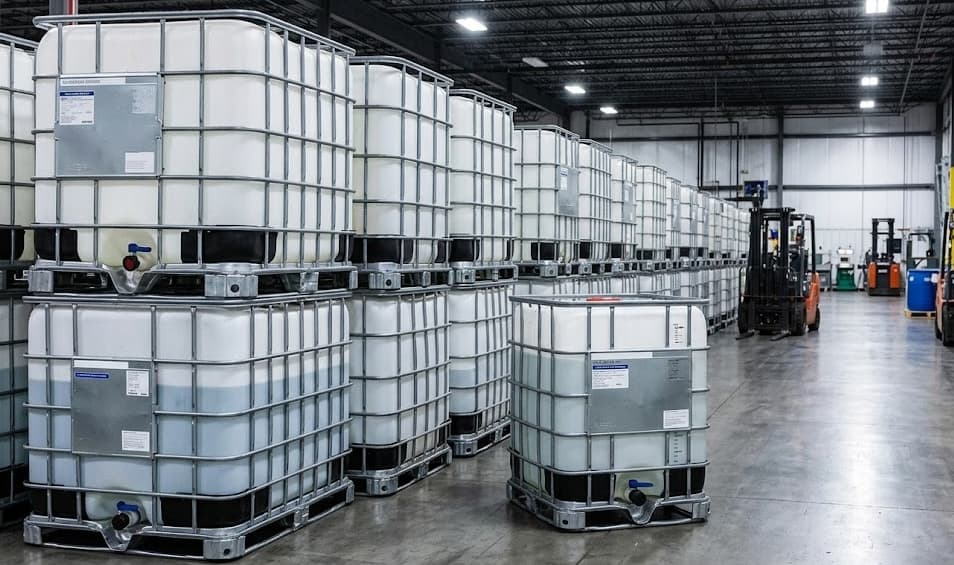
Understanding IBC Tote Grades
Grade A, B, C and Food Grade — learn what each grade looks like, what it costs, and which one is right for your application. Make confident purchasing decisions with our detailed grading guide.
Get a Free Quote
Why Grading Matters
When purchasing reconditioned IBC totes, the grading system tells you exactly what condition to expect. Understanding these grades helps you make cost-effective purchasing decisions without sacrificing functionality. Every IBC tote we sell is inspected, cleaned, and graded to ensure transparency and consistency.
The grading scale ranges from Grade A (like new) to Grade C (economy), with each tier offering progressively deeper discounts relative to new-purchase prices. Separately, food-grade certification is a critical distinction that determines whether a tote can legally contact food products.
IBC Tote Grade Breakdown
Each grade represents a specific condition level. All grades are structurally sound and functional for liquid containment.
Grade A — Like New
Grade A totes are in excellent condition with minimal signs of prior use. These units have been thoroughly cleaned, inspected, and reconditioned to near-new standards. They are the only grade suitable for food-contact applications when paired with proper food-grade certification.
What It Looks Like
- Clean, clear, or translucent white bottle
- No staining, discoloration, or yellowing
- Cage is straight with no dents or surface rust
- Pallet is structurally sound with no cracks
- Valve and cap are new or near-new condition
- Labels fully removed; exterior professionally cleaned
Best Applications
- •Food-grade applications (oils, syrups, juices)
- •Pharmaceutical and cosmetic storage
- •Beverage ingredient handling
- •Customer-facing facilities where appearance matters
- •Potable water storage
- •Any application requiring FDA-compliant containers
Grade B — Good Condition
Grade B totes show moderate signs of use but are fully functional for industrial applications. The bottle is structurally sound, the cage provides complete support, and all components operate as designed. This is the most popular grade for cost-conscious buyers who do not need food-grade certification.
What It Looks Like
- Light staining or slight discoloration on bottle
- Structurally intact — no cracks or punctures
- Cage may have minor cosmetic dents or light surface rust
- All welds intact and cage fully functional
- Pallet is solid and stable
- Valve operates smoothly; gasket in good condition
Best Applications
- •Chemical storage and distribution
- •Agricultural chemicals and fertilizers
- •Cleaning solutions and detergents
- •Industrial fluids and lubricants
- •Non-consumer-facing warehouse operations
- •Manufacturing process liquids
Grade C — Fair / Economy
Grade C totes are the most affordable option, delivering reliable containment performance at the deepest discount. While cosmetically imperfect, these units hold liquid securely and are ideal for applications where function trumps form. They are the top choice for repurposing and non-critical storage.
What It Looks Like
- Noticeable staining, yellowing, or light scratching
- Bottle is functional but shows significant wear
- Cage may have more pronounced dents or cosmetic wear
- Pallet may show wear but remains structurally sound
- Valve functional; may need gasket replacement
- Overall appearance: well-used but serviceable
Best Applications
- •Waste collection and disposal
- •Rainwater harvesting systems
- •Non-critical bulk storage
- •Garden irrigation projects
- •DIY repurposing (planters, compost bins, cold plunge)
- •Construction site water or fluid storage
Quick Grade Comparison
A side-by-side comparison to help you choose the right grade at a glance.
| Feature | Grade A | Grade B | Grade C |
|---|---|---|---|
| Bottle Condition | Clean, clear | Light staining | Noticeable wear |
| Cage Condition | Straight, no rust | Minor cosmetic dents | Visible dents/wear |
| Structural Integrity | Excellent | Excellent | Good |
| Valve / Cap | New or near-new | Good condition | Functional |
| Food-Grade Available | Yes | No | No |
| Savings vs. New | 40 – 60% | 55 – 75% | 70 – 85% |
| Typical Price Range | $120 – $200 | $70 – $130 | $40 – $80 |
| Ideal For | Food, pharma, premium | Chemical, industrial | Storage, DIY, waste |
Food-Grade vs. Non-Food-Grade
The most critical distinction in IBC tote selection. Getting this wrong can mean regulatory violations, product contamination, or unnecessary expense.
Food-Grade
Material Requirements
- •Virgin HDPE resin meeting FDA 21 CFR 177.1520
- •No recycled content in the bottle material
- •FDA-approved additives and stabilizers only
- •Smooth, non-porous interior surface
Required Documentation
- •FDA compliance certificate
- •Certificate of Origin for virgin resin
- •Chain of custody documentation (reconditioned)
- •SQF, BRC, or FSSC 22000 compliance
Typical Contents
Edible oils, syrups, fruit juices, wine/beer ingredients, dairy products, potable water, food-grade chemicals, pharmaceutical and cosmetic ingredients.
Reconditioned food-grade: $150 – $250 (40–60% below new)
Non-Food-Grade
Material Characteristics
- •May use recycled HDPE or industrial-grade virgin resin
- •Industrial-grade additives acceptable
- •Excellent chemical resistance and structural integrity
- •Previous contents may have included chemicals or solvents
Documentation
- •MSDS compatibility confirmation
- •UN certification for hazmat transport (if needed)
- •Inspection and reconditioning records
Typical Contents
Industrial chemicals, solvents, agricultural fertilizers, cleaning solutions, lubricants, motor oils, wastewater, paint, coatings, and construction materials.
Reconditioned non-food: $40 – $150 (55–85% below new)
Can Non-Food-Grade Be Converted to Food-Grade?
No. Once an IBC tote has held non-food substances, it cannotbe recertified as food-grade regardless of the cleaning method. HDPE is slightly porous at the molecular level, and trace chemicals can migrate into the plastic matrix permanently. This is why chain of custody documentation is essential for every food-grade reconditioned tote. When in doubt, always choose food-grade — the additional cost is modest compared to the risk of product contamination or regulatory fines.
How to Choose the Right Grade
Regulatory Requirements
Food, pharmaceutical, and cosmetic industries mandate food-grade certification. Check your industry regulations before purchasing.
Chemical Compatibility
Verify your stored liquid is compatible with HDPE before selecting any grade. Aggressive solvents may require specialized liners regardless of grade.
Customer Perception
If clients, auditors, or inspectors visit your facility, Grade A totes project professionalism and compliance. The premium pays for itself in credibility.
Budget Constraints
Grade C totes at 80%+ savings deliver identical containment performance for non-critical uses. The savings can be substantial at scale.
Indoor vs. Outdoor
Outdoor storage accelerates UV degradation regardless of starting grade. If totes will sit in direct sunlight, a lower grade with UV wrapping may be more cost-effective.
Volume & Frequency
High-turnover operations may prefer Grade B as the optimal balance of cost and condition. Low-turnover storage can use Grade C for maximum savings.
Receiving Inspection Checklist
When you receive reconditioned IBC totes of any grade, verify the following before putting them into service:
Ready to Order the Right Grade?
Tell us about your application and we will recommend the optimal grade and quantity. Every tote is backed by our quality guarantee.